Laser tattoo removal is the safer, more precise choice for most people. It shatters ink beneath the skin without removing the surface, so scarring risk is low. Dermabrasion sands away skin layers to lift ink physically, which works but carries higher scarring, infection, and pigment-change risk.
Quick Verdict
For the vast majority of tattoos, laser removal is the better first choice. It targets the ink specifically while leaving the surrounding skin structure intact, which keeps scarring risk low and results predictable. Dermabrasion is a legitimate, long-standing technique, but because it works by physically abrading skin layers, it asks more of your body's healing and carries a meaningfully higher risk of texture change, scarring, and uneven pigment.
At Laser Eraser, every treatment is performed by a licensed medical provider using the PicoWay picosecond laser. We share this comparison honestly, including where dermabrasion still has a role, so your decision is based on facts rather than a sales pitch.
How Each Method Actually Works
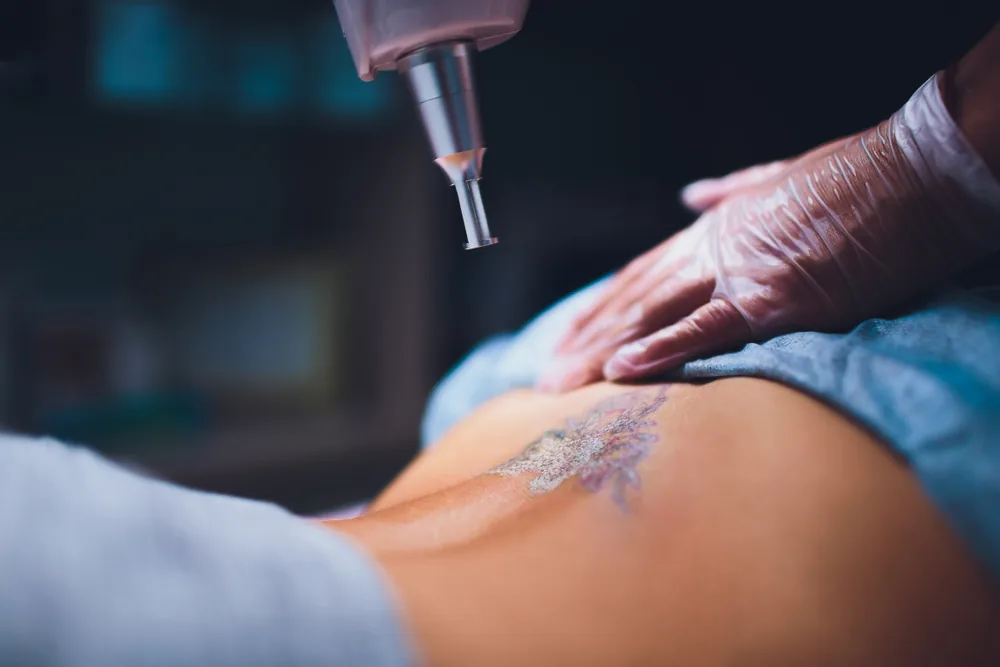
Laser removal is a light-based process. The PicoWay laser delivers ultra-short picosecond pulses of energy that pass through the outer skin and are absorbed by the tattoo pigment beneath it. Those pulses fracture the ink into microscopic particles your immune system then clears over the following weeks. Because the energy is tuned to ink color and skin type, the surface of your skin is largely spared.
Dermabrasion is mechanical. A trained provider uses a rapidly rotating abrasive tool to sand away the epidermis and part of the dermis, physically removing the layers of skin that hold the ink. It does not selectively target pigment the way a laser does, so healthy tissue is removed alongside the tattoo. The treated area is left as an open wound that must heal, much like a deep graze.
Side-by-Side Comparison
The table below lays out the practical differences that matter most when you are choosing between the two. We have kept it balanced. Dermabrasion is not a bad technique, it is simply a blunter instrument for a job that lasers now do with more precision.
| Factor | Laser (PicoWay) | Dermabrasion |
|---|---|---|
| Mechanism | Light shatters ink under the skin; immune system clears it | Abrasive tool sands away skin layers to remove ink physically |
| Typical sessions | 8–12 for complete removal, spaced weeks apart | Often 1–2 procedures, but with long wound healing between |
| Pain | Brief, tolerable; many patients report it milder than expected | Significant; an open wound with a longer, sorer recovery |
| Scarring risk | Low when performed correctly | Higher — removing skin layers can leave texture change or scars |
| Skin-tone safety | Adjustable by skin type and ink color | Higher risk of pigment change (light or dark spots), esp. deeper tones |
| Cost | Flat-rate Complete Removal Packages tailored to your tattoo | Varies; complications can add cost, and it is rarely offered now |
| Availability | Widely available at physician-led clinics like ours | Increasingly rare; largely replaced by laser technology |
Where the PicoWay Advantage Is Real
The honest case for laser is precision. Because PicoWay pulses are measured in picoseconds, they deliver energy fast enough to shatter ink into finer particles with less heat spread to nearby tissue. Less heat means less collateral trauma to healthy skin, which is a large part of why scarring risk stays low compared with sanding the skin away.
That precision also lets a physician tailor each session to your ink colors and skin tone rather than applying one aggressive approach to everyone. Stubborn blues, greens, and dense black work respond well over a planned series of sessions. Dermabrasion cannot make those distinctions, and once skin is removed there is no undoing it. This is where laser genuinely pulls ahead for most people.
When Dermabrasion Might Still Come Up
In fairness, dermabrasion is not obsolete in every context. It is still used by some surgeons for scar revision and certain skin-resurfacing goals, and historically it removed tattoos before lasers matured. If someone cannot use a laser for a specific medical reason, a physician may discuss surgical or abrasive options.
For routine tattoo removal, though, the trade-offs rarely favor it. You accept an open wound, a longer recovery, and a higher chance of a permanent scar in exchange for fewer visits. Most patients who understand both paths choose the laser route. The right way to settle it is a conversation with a physician who examines your tattoo and skin in person.
What to Expect at Laser Eraser
Your process starts with a free consultation where a physician assesses your tattoo, ink colors, placement, and skin type, then explains a realistic session plan and honest timeline. We do not promise that every tattoo clears completely, and we will tell you plainly what to expect for yours.
Treatments are quick, often around ten minutes, and are performed by a licensed medical provider at our Clark or Paramus location. Our Complete Removal Packages fold every session you need into one flat price starting tailored to your tattoo, so there are no per-visit surprises as you progress toward clearer skin.
Complete Removal Packages by Size
8–12 sessions · every session includedOne flat price covers all the sessions your tattoo needs — no per-visit billing. Every tattoo is priced individually, so we give you an exact quote free at your consultation.
Every tattoo is priced individually. Book a free consultation for your exact quote — no obligation.
Get Your Free QuoteFrequently asked questions
For most people, yes. Laser removal targets ink beneath the skin without removing the surface, so scarring and infection risk stay low. Dermabrasion sands away skin layers, leaving an open wound and a higher chance of scarring, pigment change, and longer recovery. A physician can confirm the safest option for your skin.
It can involve fewer procedures, but that is misleading. Dermabrasion requires long wound healing between sessions and risks permanent scarring. Laser removal uses more visits spaced weeks apart, yet each is quick and low-trauma. Overall, most patients reach a better cosmetic result with laser and far less risk to the skin.
Laser is generally the safer choice for deeper skin tones when performed by a trained physician who adjusts settings to your skin type. Dermabrasion carries a higher risk of pigment change — lightening or darkening — because it removes skin layers non-selectively. We assess your skin in a free consultation before recommending any plan.
Laser removal has a low scarring risk when done correctly, because the PicoWay laser breaks up ink without stripping the skin surface. Dermabrasion physically removes skin layers, so texture change or scarring is more likely. No method is risk-free, which is why a physician plans and monitors your treatment at each session.
Our laser removal uses flat-rate Complete Removal Packages tailored to your tattoo, covering every session you need. Dermabrasion pricing varies and is rarely offered now, and complications can add cost. We quote a single transparent package at your free consultation so you know the full picture upfront.