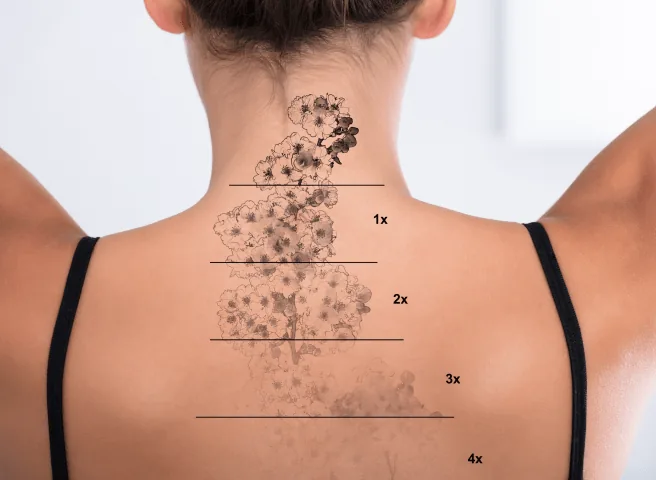
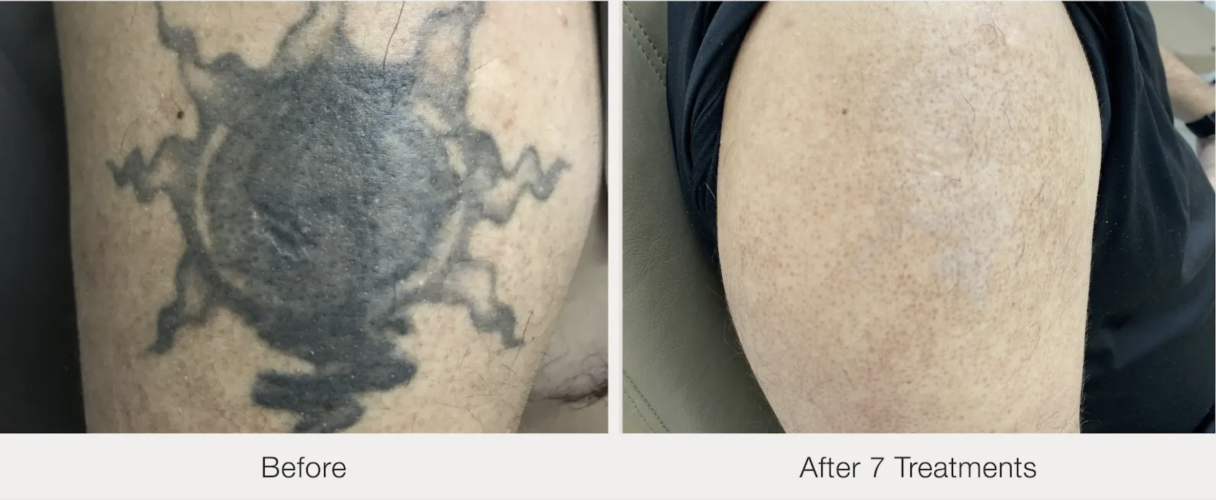
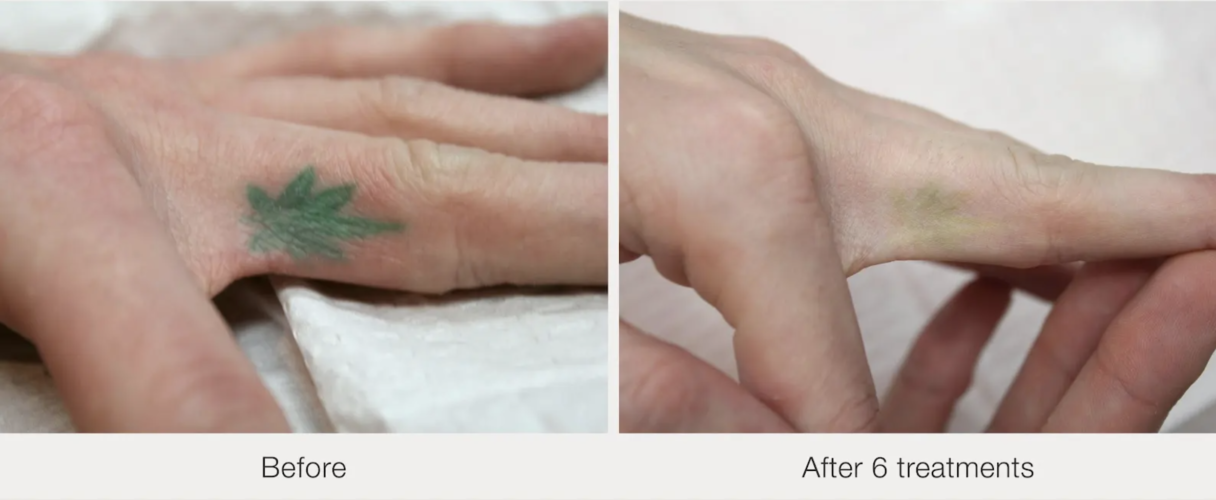
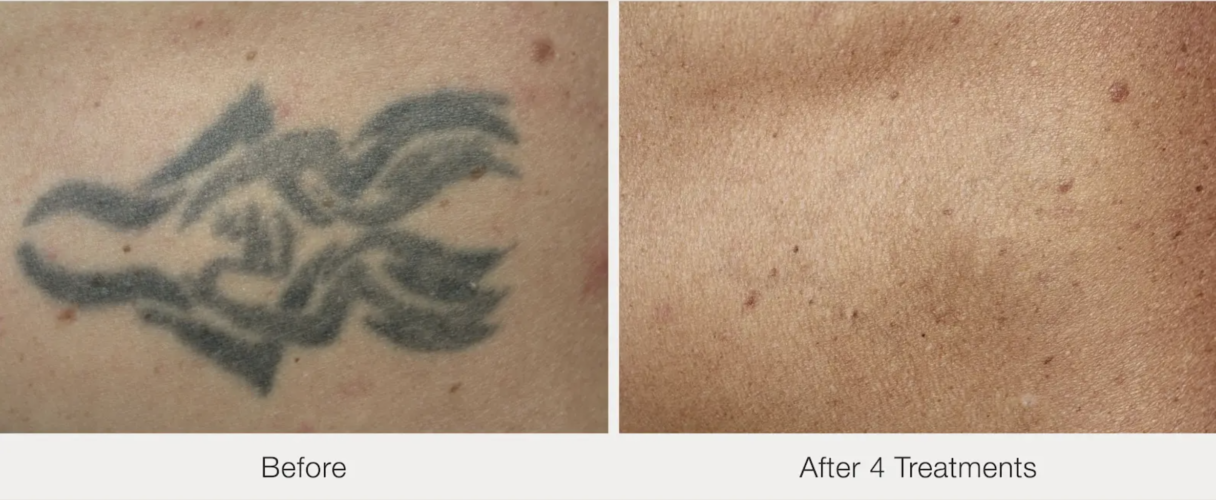
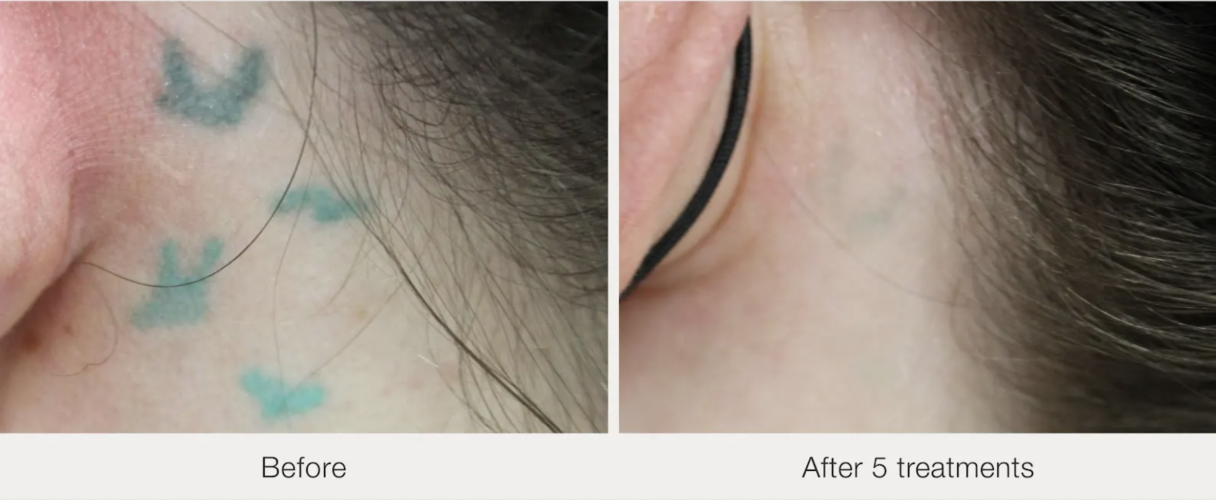
A believable before-and-after shows ink lightening progressively over 8-12 sessions spaced 6-8 weeks apart, with skin texture preserved and no scarring. Fading is gradual, not instant, because your body clears the shattered pigment between visits. Black clears most reliably; color, placement, and skin type shift the timeline.
Why before-and-after photos matter
When you're weighing a medical aesthetic procedure, photos do something words can't: they set realistic expectations. A good gallery lets you find a tattoo similar to yours in ink color, density, age, and placement, then see a plausible endpoint rather than a marketing promise.
I'm Dr. Alvaro Alban, founder of Laser Eraser. My background is emergency medicine, and I trained specifically in laser tattoo removal at the Institute for Laser Medicine in Skippack, Pennsylvania. That clinical lens shapes how I read results and how I counsel patients: I'd rather show you an honest timeline than an idealized one.
What to look for in a result photo
Not every dramatic photo signals good care. A few things separate quality results from marketing:
- Preserved skin texture: the goal is ink gone without scarring, ghosting, or textural change.
- Even fading across the whole piece, even if some colors clear slower than others.
- True clearance versus mere lightening: for full-removal goals, the final photo should show ink genuinely gone, not just dimmer.
- Consistent skin tone: no new hyperpigmentation (darkening) or hypopigmentation (lightening) left behind.
The science behind the change
Tattoo ink sits in the dermis, the skin's second layer. Your immune system recognizes the particles as foreign but can't remove them because they're too large, which is why tattoos fade only slightly over decades and never disappear on their own.
The PicoWay picosecond laser we use at Laser Eraser delivers ultra-short pulses that pass through the surface and are absorbed by the pigment. That energy shatters large ink particles into microscopic fragments, like breaking a boulder into sand. Your lymphatic system then flushes those fragments away over the following weeks. That's the key insight most people miss: the 'after' isn't created on the treatment table. It develops as your body clears the ink between sessions.
Five factors that shape your timeline
Every tattoo and every body clears differently. These variables explain why two similar-looking tattoos can follow very different paths:
- Ink color: black absorbs all wavelengths and clears most reliably; greens, blues, and warm tones respond differently and may need targeted wavelengths.
- Placement: tattoos closer to the heart (chest, back, neck) tend to clear faster thanks to stronger circulation; fingers, ankles, and feet often need extra sessions.
- Skin type: tone affects laser settings, and darker skin calls for a more cautious, specialized approach to protect natural pigment.
- Age of the tattoo: older, partially faded ink is often easier to clear than dense, freshly saturated work.
- Overall health: because clearance depends on your lymphatic system, hydration, exercise, and not smoking all help you reach your 'after' sooner.
What to expect session by session
Complete removal typically takes 8-12 sessions spaced 6-8 weeks apart. That gap isn't a delay tactic; it gives skin time to heal and the immune system time to flush shattered ink. Treating too frequently risks the skin without speeding clearance.
| Stage | What you'll usually see |
|---|---|
| Sessions 1-3 | Early fading; some shading disappears, but the tattoo stays clearly visible. |
| Sessions 4-6 | The image starts breaking up; solid lines look dotted and lose coherence. |
| Sessions 7+ | Chasing stubborn remnants; the tattoo fades to a faint ghost, then clears. |
Fading for a cover-up: a different 'after'
Not every 'after' is bare skin. If you want to cover an old tattoo with new work, just 3-5 sessions can lighten the existing ink significantly. That gives your artist a broader canvas, lighter colors, and finer detail instead of forcing them to black out the area. Here, the ideal result photo is a faded ghost, not a clean slate.
Why the provider behind the photo matters
Every result photo represents a controlled medical injury to the skin. Improper laser use can cause burns, scarring, or pigment changes, so who operates the device matters as much as the device itself. Laser Eraser is physician-led, and treatments are clinician-administered rather than handed off to a spa technician.
That's also why I won't promise 100% clearance for every tattoo. Biology varies. My commitment is to protect your skin first: I'd rather take one extra session to remove a tattoo safely than rush and risk a result you can't undo.
What it costs and how it feels
We price complete removal as a single flat-rate package covering all the sessions your tattoo needs, which saves roughly 38% versus paying per visit. Packages are priced individually and no hidden fees, and multiple tattoos are quoted at a free consultation.
As for comfort: most patients compare the sensation to a rubber band snap, brief and quick. A small tattoo can take seconds; larger pieces, a few minutes. We use cooling to keep you comfortable throughout, and many patients tell us it was easier than getting the tattoo in the first place.
Frequently asked questions
Most people notice fading within the first few sessions, but visible 'break up' of the image usually appears around sessions 4-6. Complete removal typically takes 8-12 sessions, since your body clears the ink gradually between visits.
The laser shatters ink into microscopic particles, but your lymphatic system does the actual removal over the following weeks. That's why sessions are spaced 6-8 weeks apart and why the 'after' develops between appointments, not on the treatment table.
Yes. Around 3-5 sessions can significantly lighten existing ink, giving your tattoo artist room for lighter colors and finer detail instead of blacking out the area.
It can be, with the right approach. Darker skin requires more cautious, specialized laser settings to target the ink while protecting your natural pigment. A free consultation lets us tailor the plan to your skin type.